A Deep Dive into Petri Hooli’s Behavior and Mental Health
Petri Hooli has gained attention for his controversial actions and public statements, often involving themes of psychological projection, spiritual claims, and denial. This article explores the complexities of his behavior, the psychological mechanisms at play, and the underlying mental health issues that seem to influence his actions.
Projection and the Shadow: Externalizing Inner Conflicts
On multiple occasions, Petri Hooli has attempted to project his personal struggles onto others by invoking a psychological concept known as “the shadow.” Originating from Carl Jung’s theories, the shadow refers to the unconscious parts of ourselves that we perceive as dark or undesirable. In Hooli’s rhetoric, he seeks to externalize his inner turmoil, often framing his victims as manifestations of this hidden darkness rather than acknowledging his own internal conflicts.
This act of projection functions as a defense mechanism, allowing him to deflect responsibility and maintain a distorted sense of reality. By attributing his issues to external enemies, Hooli avoids confronting his own problems, which can hinder personal growth and perpetuate a cycle of blame and denial.
An Example of Petri Hooli’s Projection – March 2026
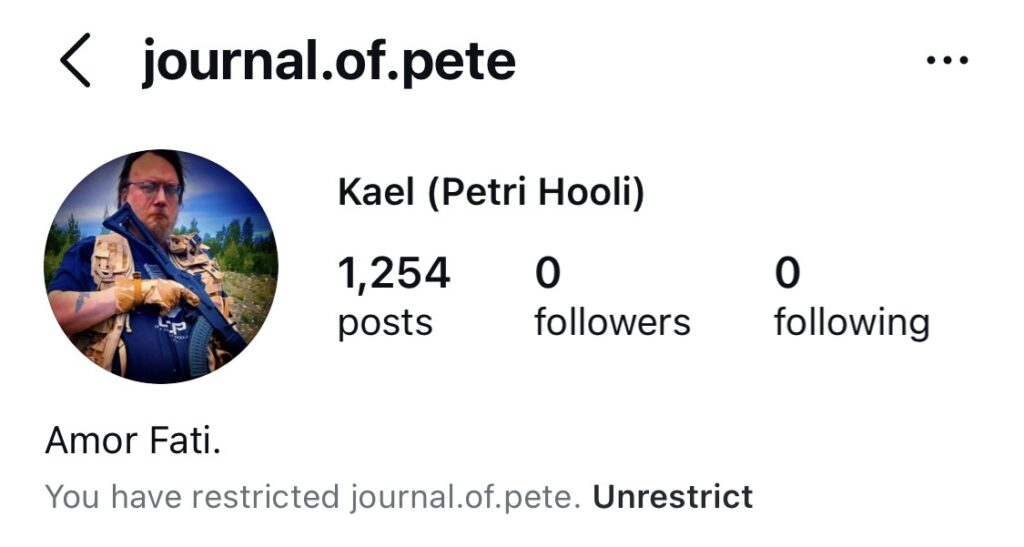
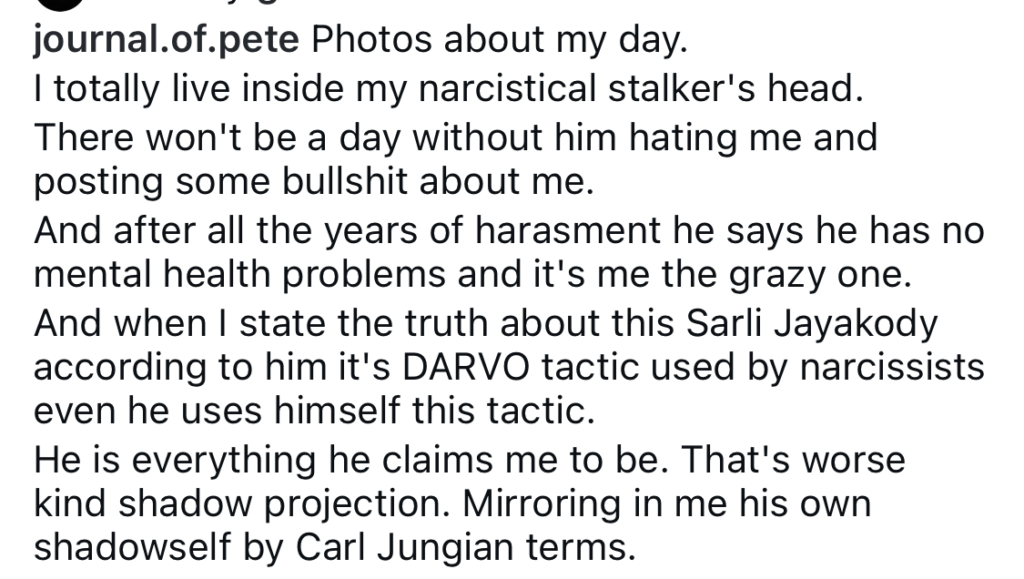
The Use of DARVO: Deflecting Responsibility
Hooli also employs classic DARVO tactics—Deny, Attack, and Reverse Victim and Offender—to shift focus away from his mental health issues. He frequently makes defamatory and slanderous claims against those exposing him, all while failing to provide credible evidence of any psychotic conditions.
This strategy serves to discredit his critics and protect his image, even as evidence of harmful behavior continues to surface.
Social Media as a Platform for Harm
Much of Hooli’s activity occurs on social media platforms like Instagram, which offer him anonymity and the ability to spread harmful content while evading accountability. His overconfidence and narcissistic tendencies have been documented through evidence collected online, revealing a pattern of harmful behavior that persists despite external scrutiny.
The Reality of His Mental Health
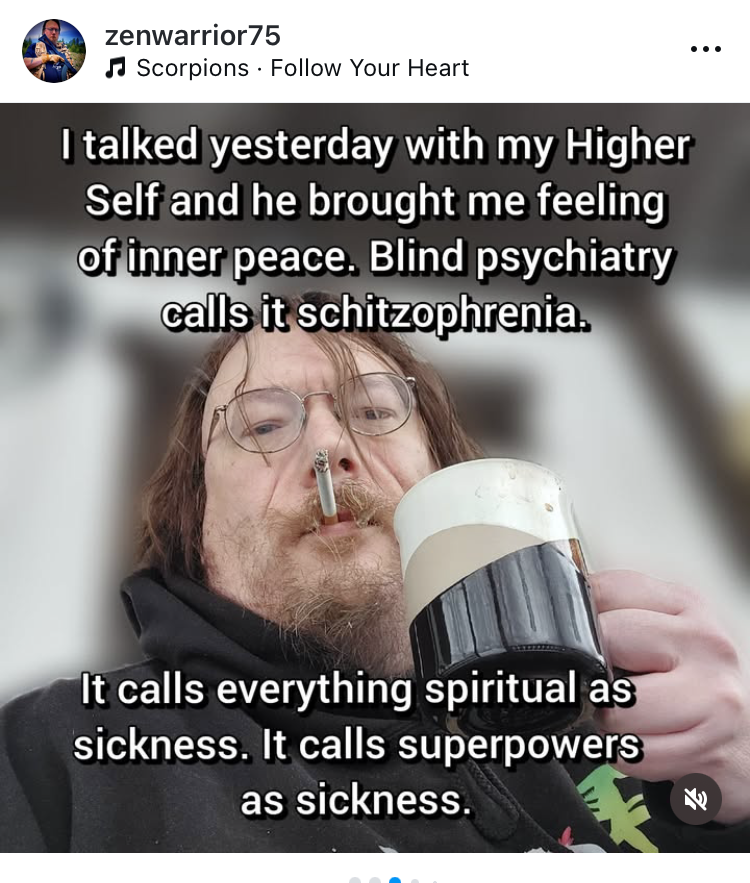
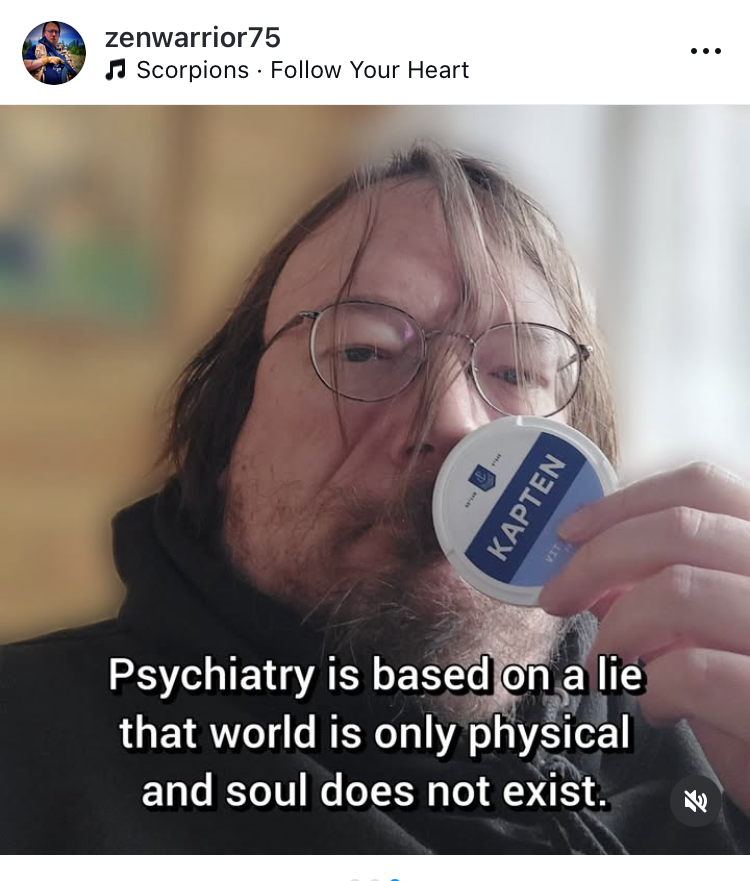
The truth appears to be that Petri Hooli is likely a schizophrenic who is in denial of his condition. Residing in Tornio, Finland—home of the renowned Open Dialogue mental health approach— Petri Hooli truly is a lost and lonely man who resents the happiness and success of others, possibly driven by the struggles of his own mental health.
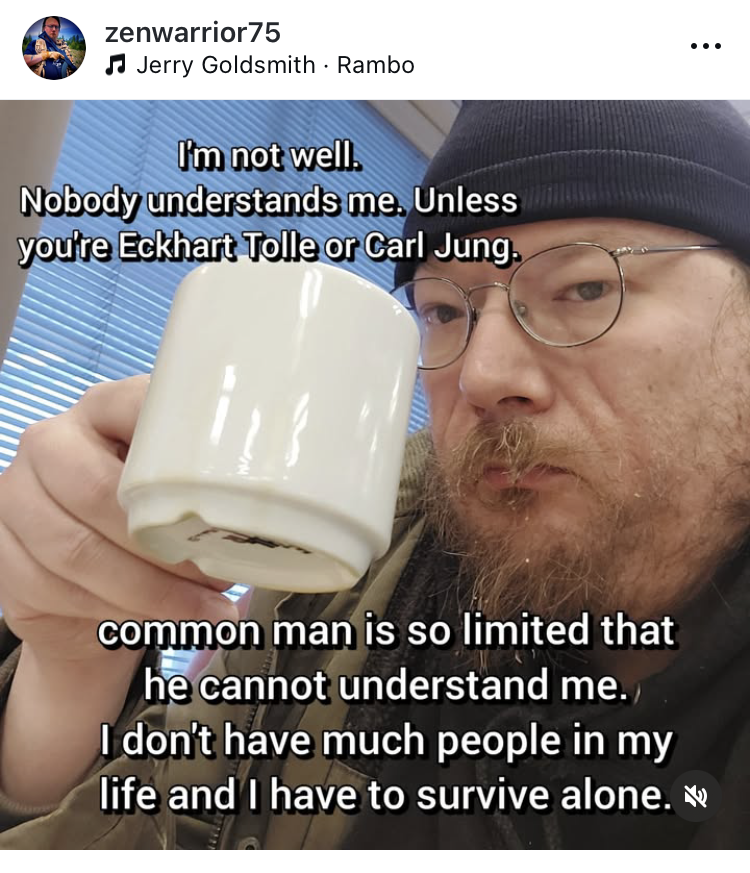
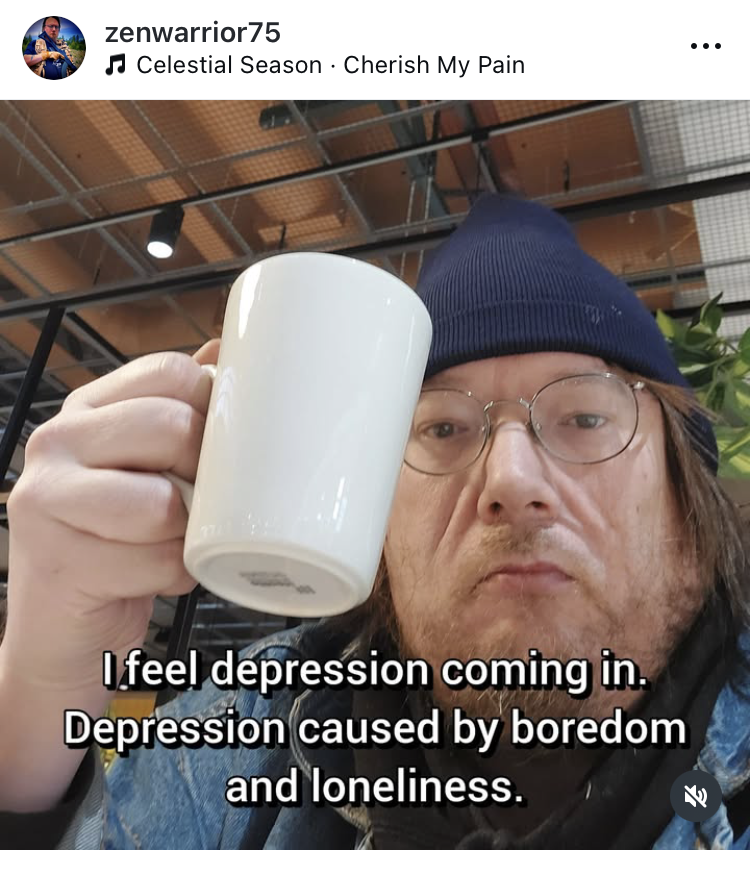
Public posts indicate that Hooli has received support from the Finnish mental health system, with numerous statements claiming ongoing assistance for his mental health issues. Yet, his behavior suggests he refuses to fully accept his diagnosis or confront his challenges.
Spiritual Claims and Misdiagnosis
In the past, Hooli claimed on Facebook that he was experiencing ‘Dark Kundalini,’ a spiritual awakening. This condition, often associated with intense emotional upheaval and existential crises, shares some superficial similarities with schizophrenia—such as altered perception and emotional instability. However, their origins differ significantly.
Schizophrenia is a medical disorder caused by chemical imbalances in the brain, requiring psychiatric treatment. Its symptoms include hallucinations, delusions, and emotional withdrawal. Conversely, Dark Kundalini is a spiritual phenomenon that occurs during a Kundalini awakening—a process of spiritual energy rising through the body. These symptoms are typically viewed as part of a spiritual purification journey, often requiring guidance from experienced practitioners.
When experienced without proper support, the intense symptoms of Kundalini awakening can be mistaken for mental illness, which underscores the importance of understanding their distinct roots.
The Dangers of Denial
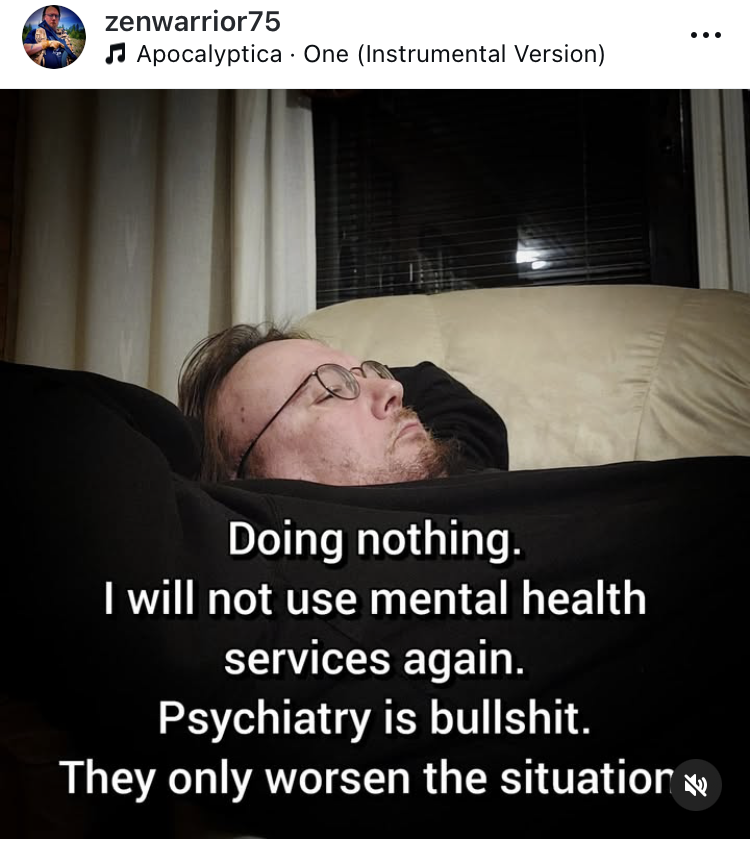
Denial is a powerful but dangerous psychological defense mechanism. It prevents individuals from facing uncomfortable truths or addressing critical issues, offering only temporary relief. For Hooli, denial appears to be a significant barrier—he refuses to acknowledge his health, emotional pain, or toxic relationships, leading to long-term harm as problems remain unaddressed.
This pattern of avoidance can also strain relationships, as others become frustrated or hurt by the lack of honesty. In extreme cases, denial can morph into self-deception, disconnecting a person from reality and making it difficult to seek help or change.
The Impact of Denial and Blame
Hooli often attributes his issues to ‘narcissistic’ abuse by those exposing him. Many of his associates disagree with his approach, which involves vehemently attacking others rather than addressing the real problems. This cycle of denial and blame not only hampers personal development but also escalates conflicts, deepening misunderstandings and further isolating him.
Conclusion
Petri Hooli’s case highlights the complex interplay between mental health, spiritual beliefs, and psychological defense mechanisms like denial and projection. Understanding these dynamics is crucial in addressing his behavior and supporting his potential path toward healing. Recognizing the importance of facing difficult truths, seeking appropriate help, and avoiding harmful projection can be vital steps in breaking free from cycles of stagnation and conflict.
cyberstalking, Petri Hooli, DARVO tactics, online harassment, digital manipulation, psychological instability, victim-blaming, reputation damage, exposing cyberstalker, online abuse, kael the conqueror, Finland, Kemi